
As we progress into 2026, cyanide-based gold extraction remains the dominant industry technique, responsible for over 90% of global gold output. This article explores the evolving landscape of cyanidation, balancing its unparalleled recovery efficiency against the escalating demand for environmental sustainability and real-time risk mitigation.
The Role of Cyanide in 2026
Sodium cyanide (NaCN) is prized for its ability to selectively dissolve gold from low-grade ores. By forming stable, water-soluble complexes, it allows mines to process vast quantities of material that were previously considered waste. However, this efficiency comes with significant environmental responsibility, particularly regarding the management of toxic tailings.
Dominant Extraction Techniques
- Heap Leaching: Cyanide solution is trickled over massive heaps of crushed ore. Ideal for low-grade deposits but requires rigorous liner integrity.
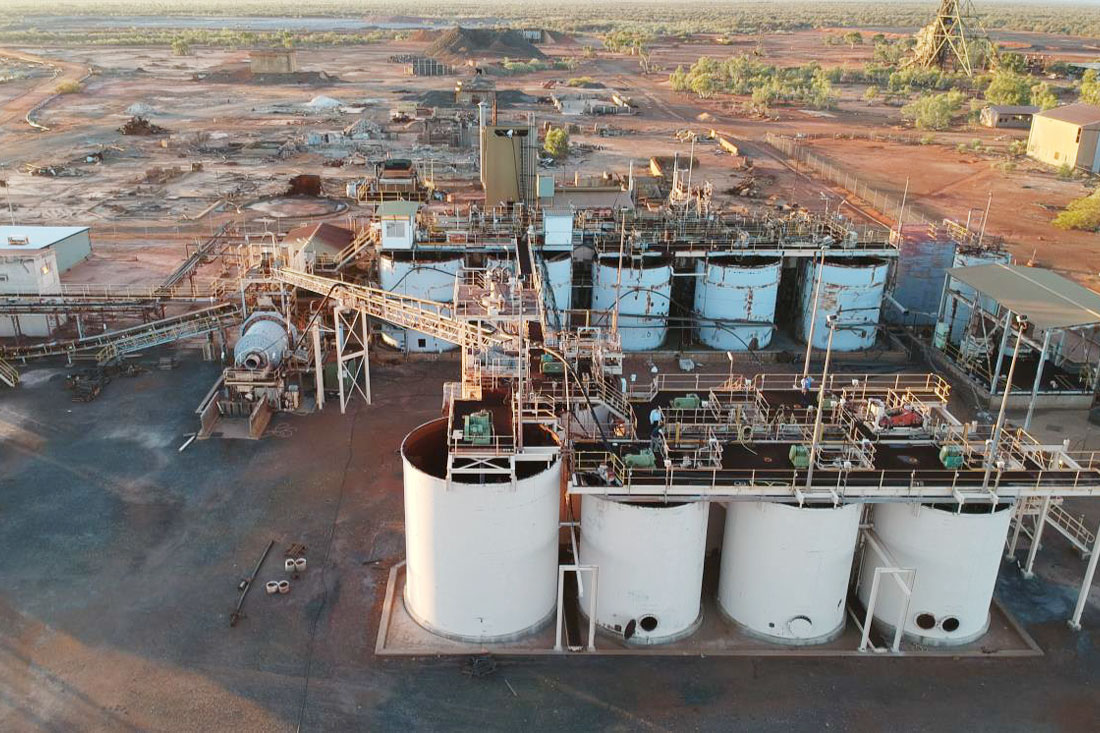
- Vat/Tank Leaching: Higher concentrations of ore are mixed with cyanide in controlled tanks. While more efficient, it produces complex wastewater streams.
- Carbon-in-Pulp (CIP): Uses activated carbon to adsorb gold directly from the cyanide solution.
Modern Risks and Monitoring Solutions
The primary risk in 2026 remains the potential for cyanide leaks into groundwater and surface water systems, which can cause immediate ecotoxicological damage. To combat this, the industry is shifting toward "Zero-Liquid Discharge" (ZLD) policies and high-tech surveillance.
| Mining Method | Est. Usage (kg/t) | Key 2026 Solution |
|---|---|---|
| Heap Leaching | 0.5 – 2.0 | Satellite-based leak detection |
| Vat Leaching | 0.2 – 1.2 | AI-driven process controls |
| CIP / CIL | 0.3 – 0.7 | Blockchain-based traceability |
Satellite & AI Innovations
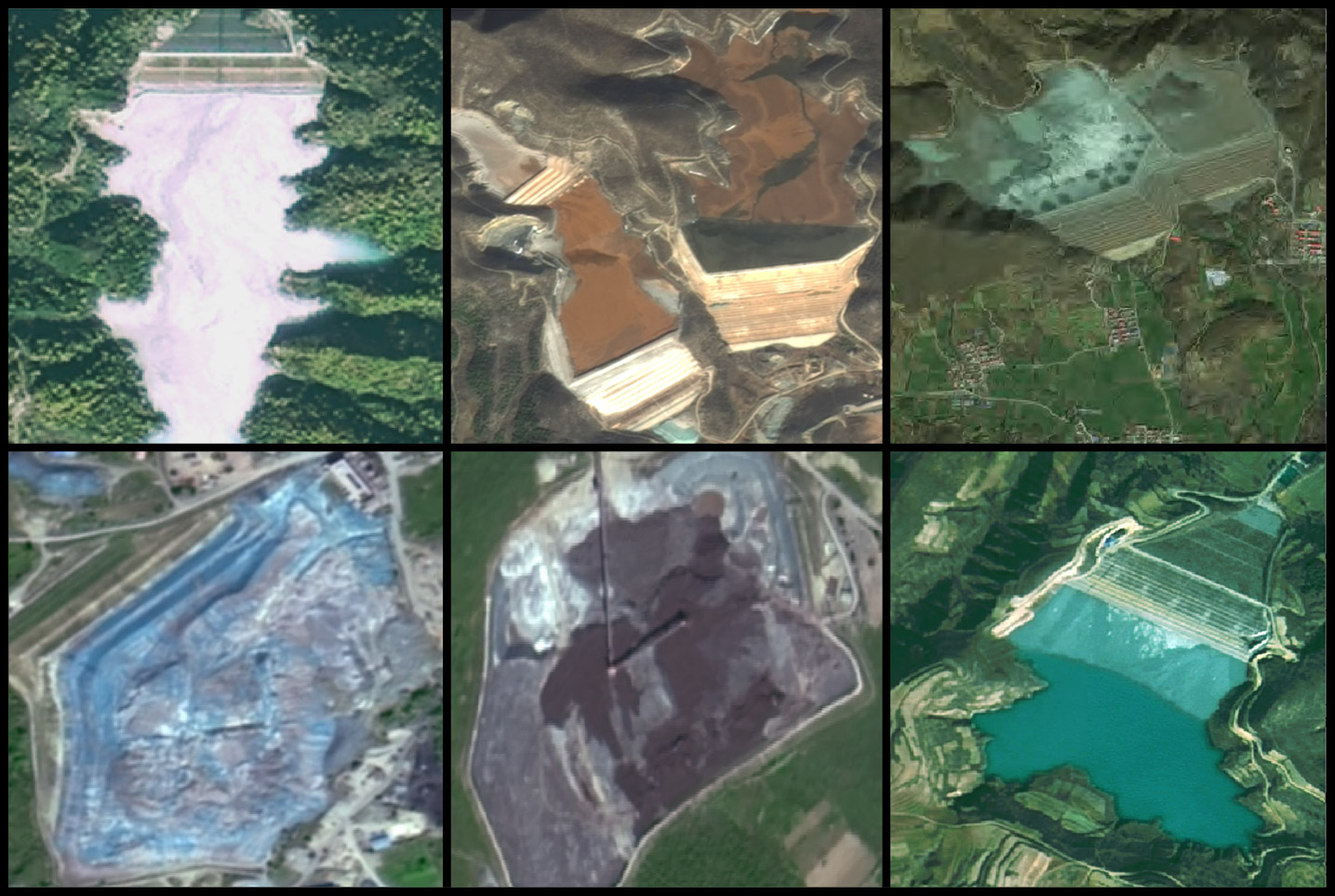
One of the most significant breakthroughs in 2026 is the use of multispectral satellite imagery to monitor tailings dams. By detecting subtle changes in surrounding vegetation health or moisture levels, operators can identify potential leaks before they escalate into environmental disasters.
Future Outlook: Beyond 2026
While alternatives like Glycine or Thiosulfate leaching are gaining traction in sensitive regions, cyanide will likely remain central to global gold production due to its cost-effectiveness. The focus for the next decade will be on "Circular Cyanidation"—the total recovery and recycling of chemicals within a closed-loop system.
Source
This article is based on the industry report:
Report: Cyanide Use in Gold Mining: Top Risks & Solutions 2026
Source: https://farmonaut.com/mining/cyanide-use-in-gold-mining-top-risks-solutions-2026